What Every Illinois Landlord Must Know About 2026's New Rental Laws
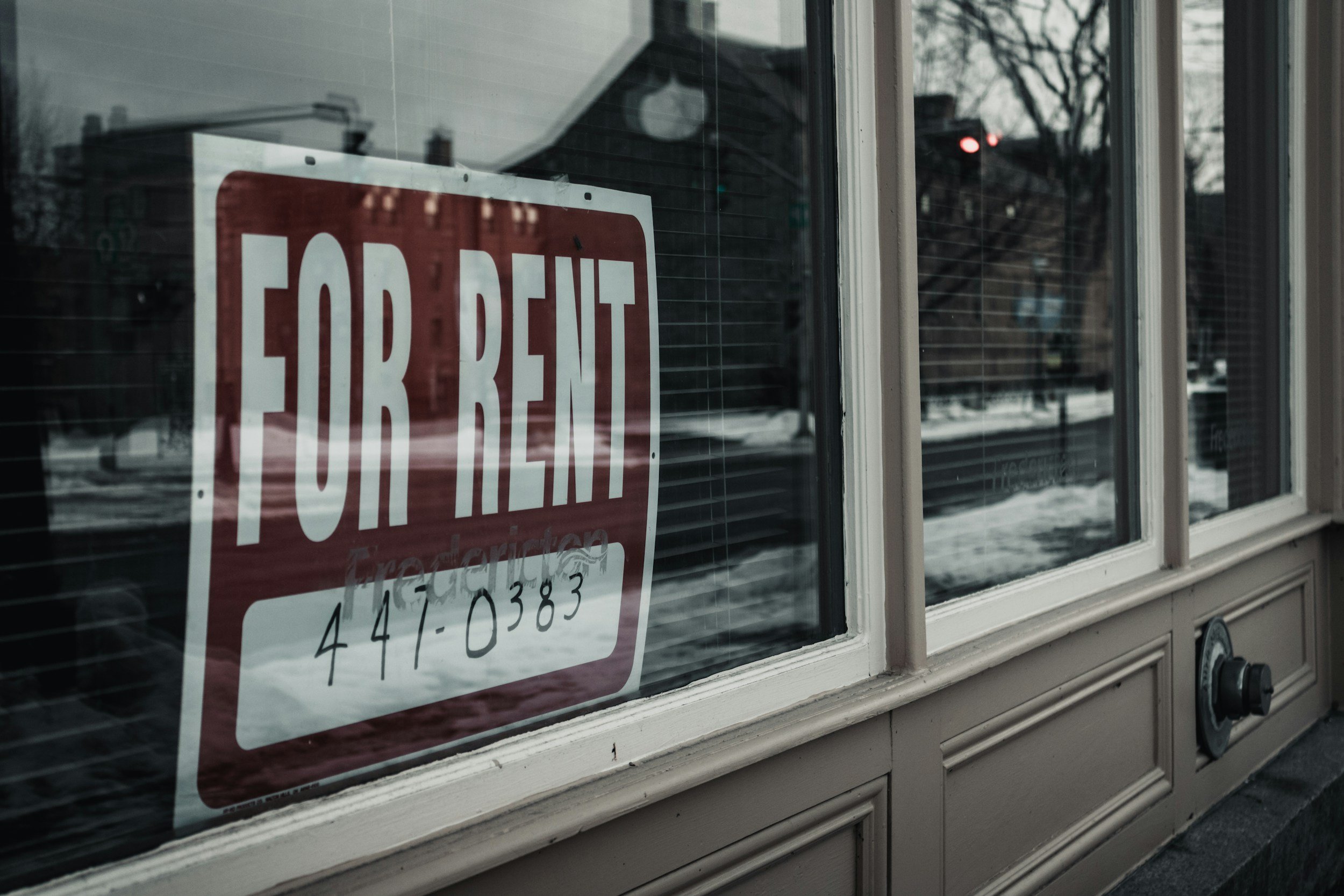
If you own rental property in Illinois, 2026 is shaping up to be a pivotal year. New legislation has introduced significant changes to how landlords must handle everything from lease disclosures to evictions. Staying compliant isn't just about following rules—it's about protecting your investment. At SimpliManaged, we help our clients navigate these complexities so they can focus on what matters: growing their portfolio.
Criminal Trespass Clarification (SB 1563)
One of the most significant updates for landlords dealing with unauthorized occupants is Senate Bill 1563. This law clarifies that law enforcement can remove trespassers independently of civil eviction proceedings. Previously, landlords often faced delays as police were hesitant to intervene in what they deemed "civil matters." This change empowers property owners to act more swiftly against criminal trespass, distinguishing it clearly from lawful tenancy disputes.
Domestic Violence Disclosure Requirement
Effective January 1, 2026, all residential leases in Illinois must include a specific disclosure prepared by the Illinois Department of Human Rights (IDHR). This ensures tenants are aware of their rights regarding domestic violence protections. Failure to attach this document renders your lease non-compliant, potentially complicating future legal proceedings.
Minors in Eviction Proceedings (HB 3566)
Privacy protections for minors have been significantly strengthened. Under House Bill 3566, landlords are strictly prohibited from naming minors as defendants in eviction lawsuits. The penalties for non-compliance are severe: a $1,000 statutory penalty, plus actual damages and attorney fees. Furthermore, listing a minor can result in the immediate dismissal of your case, forcing you to restart the costly eviction process from scratch.
Landlord Retaliation Act
While effective since 2025, enforcement has ramped up in 2026. The Act creates a "rebuttable presumption" of retaliation if a landlord takes adverse action (like raising rent, refusing renewal, or decreasing services) within one year of a tenant exercising a protected right, such as requesting repairs or reporting code violations. Documentation and professional management are now more critical than ever to prove that necessary business decisions are not retaliatory.
Chicago Composting Rules
In Chicago specifically, sustainability mandates now affect lease agreements. Landlords cannot unreasonably ban composting. You must allow tenants to engage in lawful composting activities, provided they don't create sanitary nuisances. Review your lease addendums to ensure you aren't enforcing outdated prohibitions.
Security Deposit Interest Rates (2026)
Don't forget the small details that lead to big fines. For 2026, the security deposit interest rate for the State of Illinois is set at roughly 0.005% (0.01% APY), while the City of Chicago mandates a 0.01% rate. While these amounts seem small, failing to credit them correctly can trigger penalties equal to two times the deposit amount.
Conclusion
Navigating these laws requires vigilance. A single administrative error in a lease or eviction filing can cost thousands. Not sure if your current leases are compliant? Contact SimpliManaged Properties today for a free consultation.